

The 5i Resilience Framework
Five pillars, one argument.
Intelligence, Infrastructure, Innovation, Inclusion and Investment. Not five tracks running in parallel, but the sequence by which a region comes to know a risk, build against it, warn in time, carry everyone through it and pay for what comes next.
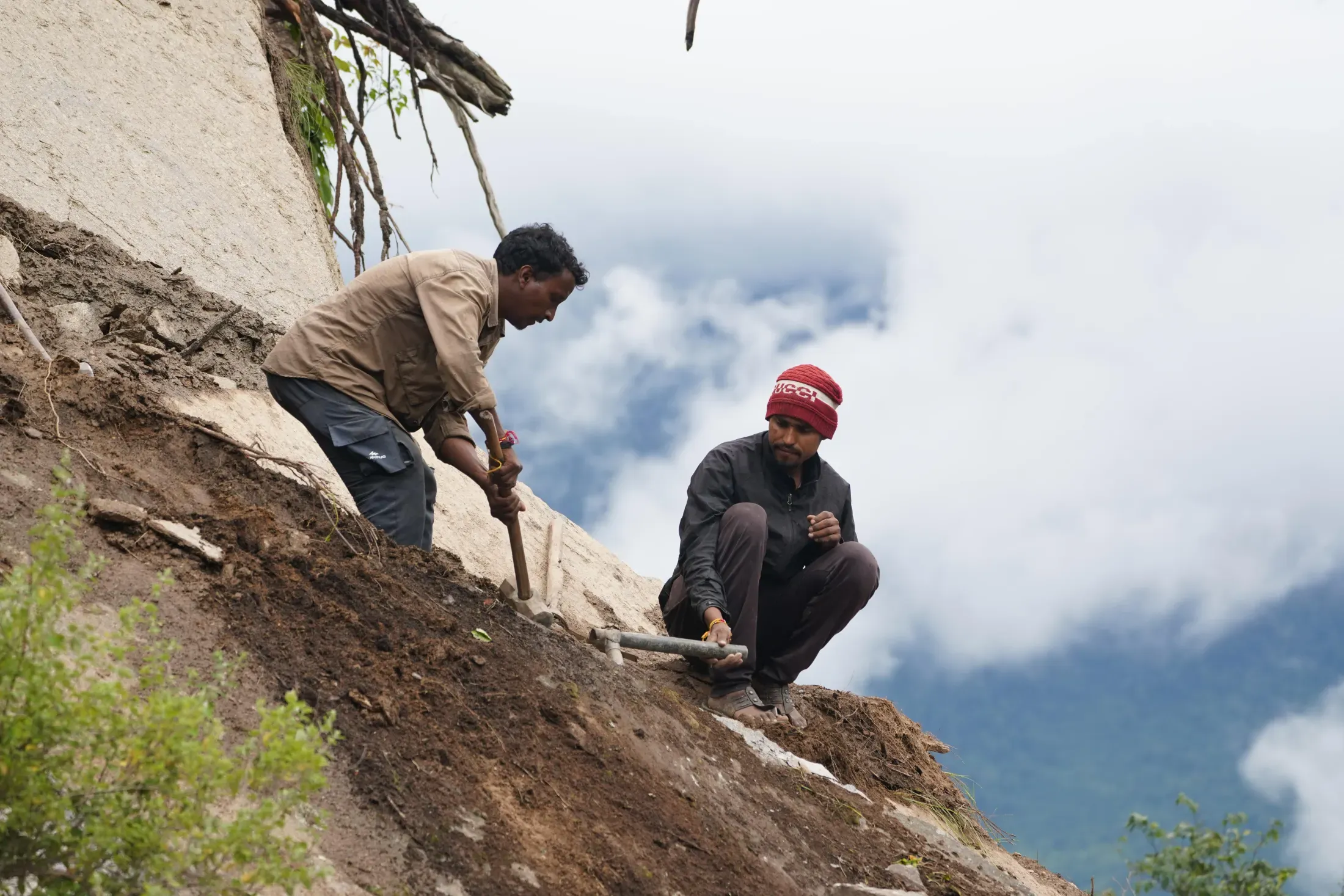
Sub-tracks
-
Disaster Risk Assessment and Mapping
- Multi-hazard risk assessment and vulnerability mapping
- Geospatial intelligence and risk-informed decision-making
- Climate and disaster data integration
- Community-based risk identification and assessment
-
Early Warning and Risk Communication
- Multi-hazard early warning systems
- Impact-based forecasting and risk communication
- Last-mile warning dissemination
- Traditional and indigenous knowledge for risk identification
-
Science, Data and Knowledge Systems
- Remote sensing, GIS, AI and predictive analytics
- Disaster risk information systems and data sharing
- Climate literacy and public risk awareness
- Scientific research for evidence-based disaster planning
-
Institutional Intelligence and Collaboration
- Inter-agency coordination and information sharing
- Community participation in risk assessment
- Public-private and international knowledge partnerships
- Capacity building for informed disaster preparedness
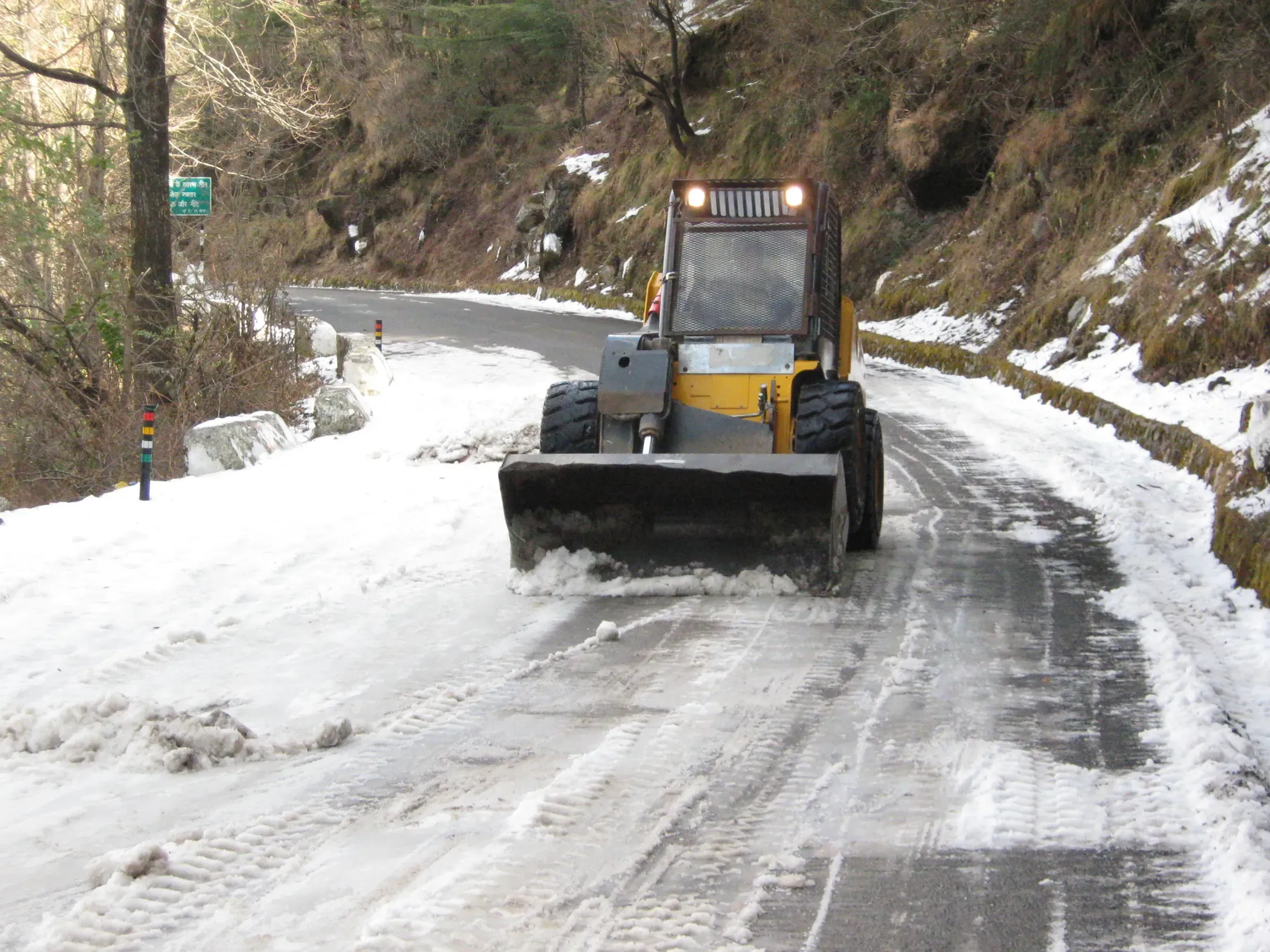
Sub-tracks
-
Resilient Infrastructure and Construction
- Disaster-resilient buildings and critical infrastructure
- Building codes, safety standards and compliance
- Retrofitting vulnerable infrastructure
- Nature-based solutions and green infrastructure
-
Risk-Informed Planning and Development
- Land-use planning and hazard-sensitive development
- Resilient urban and rural infrastructure
- Infrastructure planning in fragile Himalayan regions
- Sustainable and climate-resilient development
-
Critical Infrastructure and Essential Services
- Resilience of transport, energy and communication networks
- Water supply, sanitation and healthcare infrastructure
- Redundancy and continuity of essential services
- Infrastructure safety and emergency access
-
Infrastructure Governance and Management
- Infrastructure risk assessment and resilience audits
- Operation, maintenance and lifecycle planning
- Public-private partnerships for resilient infrastructure
- Standards, policies and best practices for resilience
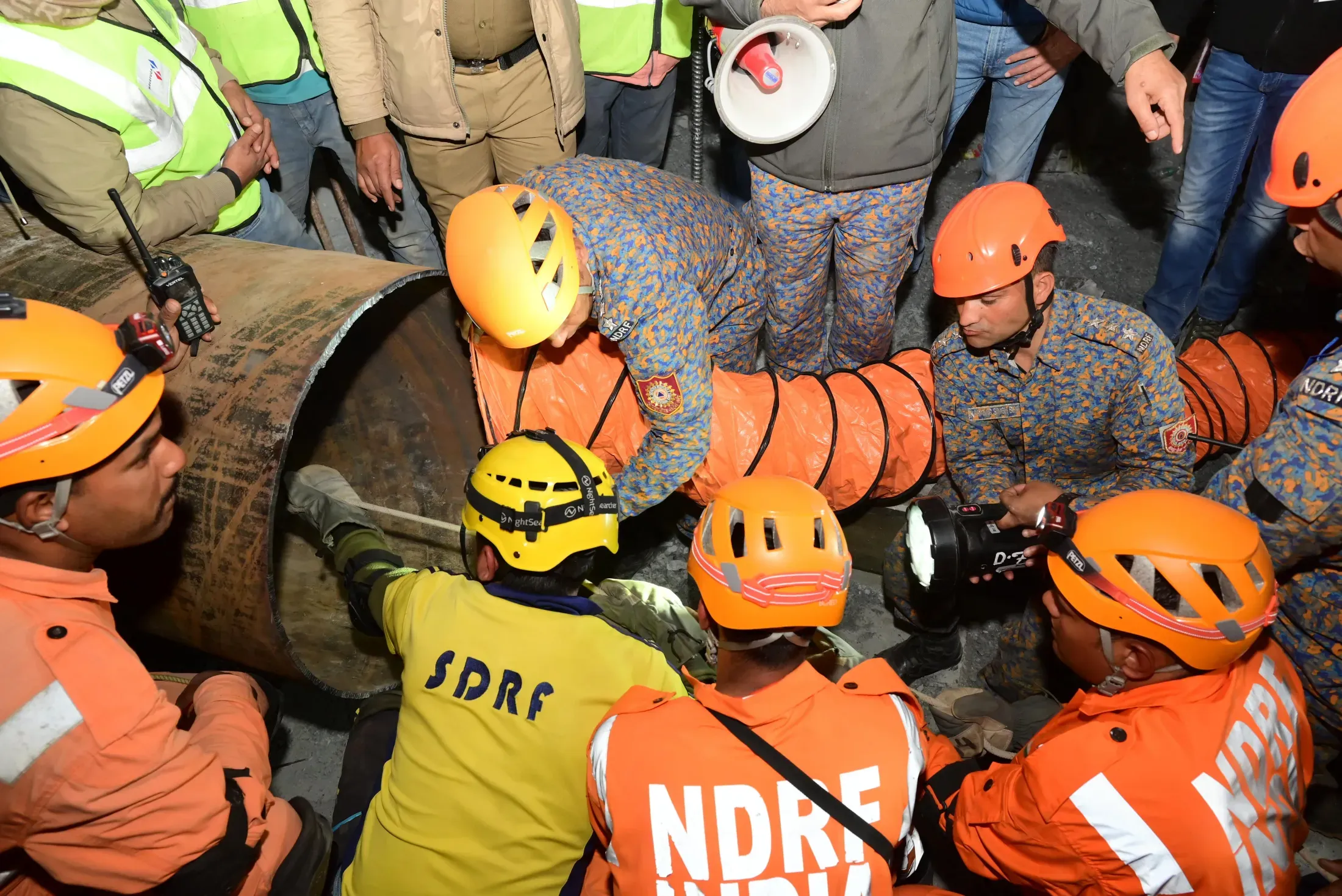
Sub-tracks
-
Early Warning Systems and Real-Time Monitoring
- Multi-hazard early warning and alert systems
- Real-time hazard monitoring and forecasting
- Meteorological, hydrological and climate prediction
- Seismic monitoring and earthquake risk assessment
-
Digital Technologies, AI and Predictive Analytics
- Artificial intelligence for disaster preparedness and response
- Machine learning for hazard modelling and risk prediction
- Big data analytics for disaster intelligence
- Internet of Things and sensor-based monitoring
-
Space Technology, Remote Sensing and GIS
- Satellite-based disaster monitoring and rapid assessment
- Remote sensing for hazard detection and vulnerability mapping
- GIS and geospatial analytics for disaster management
- Satellite communication and space-based emergency support
-
Emergency Communication and Decision Support
- Reliable emergency communication networks
- Social media and crowdsourced disaster information
- Mobile applications for warnings and emergency response
- Integrated information-sharing and decision-support platforms
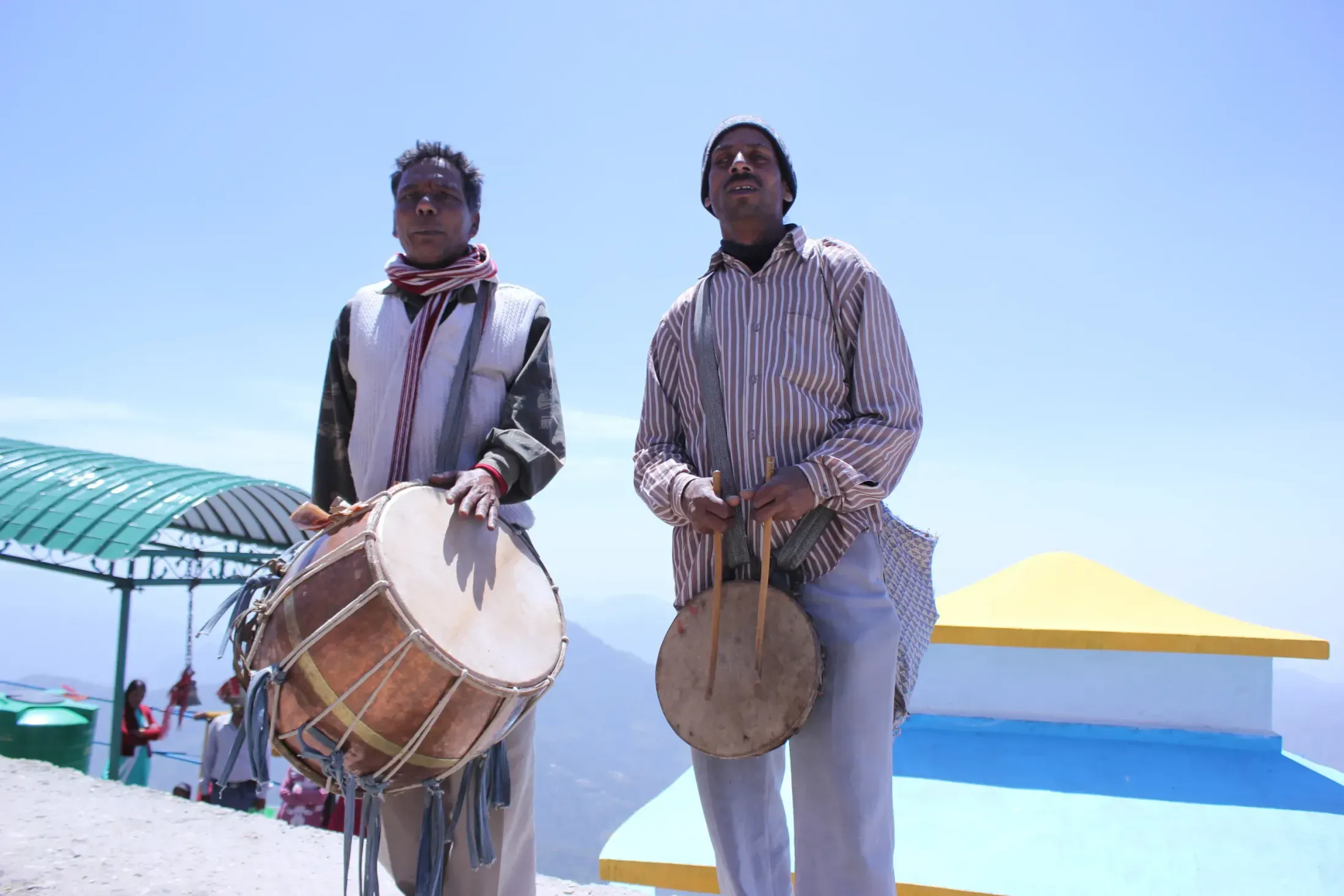
Sub-tracks
-
Inclusive Disaster Risk Reduction
- Gender-responsive and disability-inclusive disaster management
- Protection of vulnerable and marginalised communities
- Participation of women, youth and local institutions
- Equitable access to disaster information and services
-
Livelihood Security and Community Resilience
- Climate-resilient agriculture and food security
- Sustainable livelihood diversification and local enterprise
- Community-based recovery and rehabilitation
- Social protection and inclusive disaster recovery
-
Ecosystem-Based Adaptation and Community Stewardship
- Nature-based solutions for disaster risk reduction
- Community-led ecosystem restoration and conservation
- Participatory watershed and natural resource management
- Local stewardship of vulnerable mountain and coastal ecosystems
-
Health, Well-being and Community Preparedness
- Community-based emergency medical preparedness
- Mental health and psychosocial support
- One Health approaches to disaster risk management
- Inclusive pandemic preparedness and response
Sub-tracks
-
Disaster Governance, Policies and Institutional Mechanisms
- Risk-informed disaster management policies and planning
- Institutional frameworks for resilient recovery
- Public investment in disaster risk reduction
- Accountability and monitoring of resilience outcomes
-
International Cooperation and Strategic Partnerships
- Cross-border disaster response and recovery cooperation
- Regional and international resilience partnerships
- Technology and knowledge transfer mechanisms
- South-South and triangular cooperation
-
Disaster Risk Financing and Insurance
- Disaster risk financing and contingency funds
- Insurance, reinsurance and risk transfer mechanisms
- Climate finance and adaptation funding
- Innovative financial instruments for disaster risk reduction
-
Innovation, Entrepreneurship and Resilient Recovery
- Disaster-tech startups and resilience solutions
- Social entrepreneurship and community-led recovery
- Public-private partnerships and investment models
- Scaling up successful interventions for long-term resilience
The programme
Three days, five pillars, one hall.
Every session will sit under one of these five. The programme itself is still being assembled, and goes up as soon as it is settled.
Delegates from government, academia, NGOs and industry are all welcome, and abstracts are invited for the technical sessions. Registration is where most people start.