After an evacuation, the number that gets reported is how many people were moved.
The number that explains the casualties is how many were not, and who they were. That second list is almost never produced in advance, even though nearly every name on it could have been written down months earlier.
The list is predictable
Across events and across countries, the people who do not leave are drawn from a consistent set.
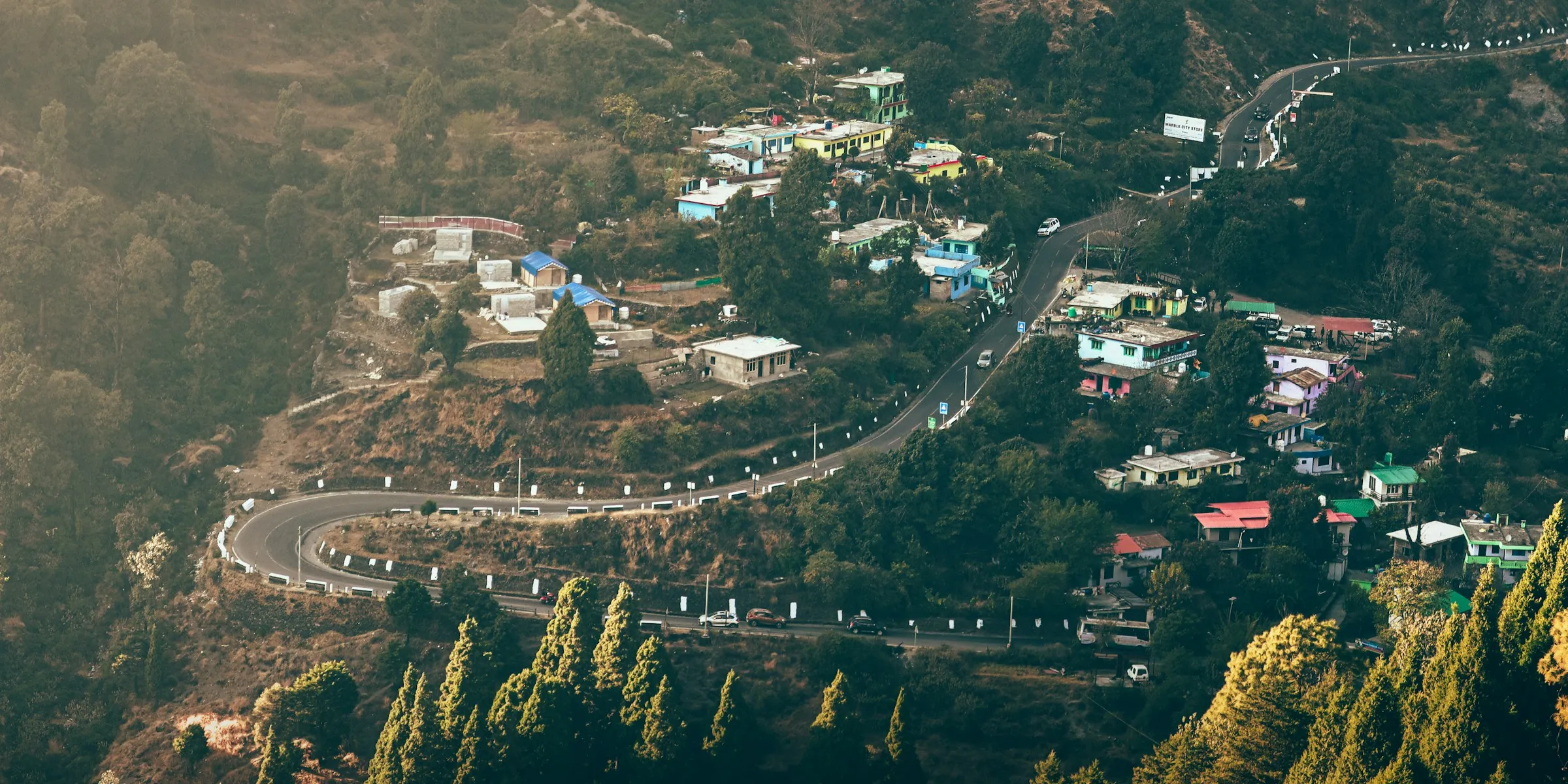
People who cannot walk out. Older residents, people with mobility impairments, anyone recovering from illness or surgery. In terrain where evacuation means a steep climb on a broken path, the threshold for “cannot walk out” is a great deal lower than a plains-based plan assumes.
People who did not receive the warning in a usable form. Deaf and hard-of-hearing residents, where the alert is a siren. Blind residents, where it is a printed notice. People who do not read the language the bulletin was issued in. Migrant workers who are not on any local list and are not in any local WhatsApp group.
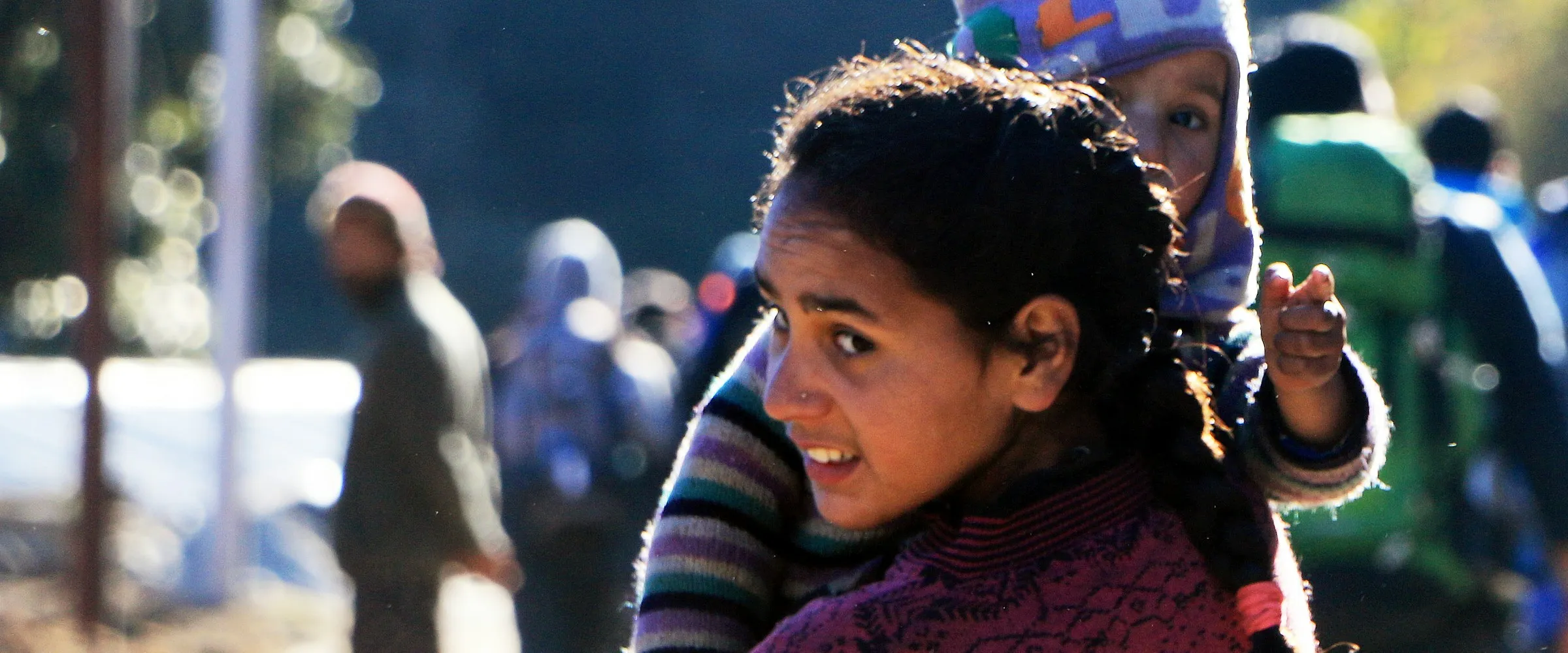
People responsible for someone else. A woman who will not leave without her children, her mother-in-law and the livestock that is the household’s entire capital will not leave at all unless the plan has somewhere for all of them to go. This is not hesitation. It is arithmetic.
People with more to lose by leaving. Households whose land tenure is informal know that an empty house can become a contested house. Shopkeepers know what an unattended shop looks like after a flood. For them the risk of leaving is real and the risk of staying is probabilistic, which is a calculation that favours staying.
People who were not told because nobody knew they were there. Seasonal labour, tenants, families recently arrived. They do not appear on the panchayat register, and so they do not appear in the plan.
This is a data problem before it is a compassion problem
Every category above is identifiable in advance. The information exists. It is simply held by people who are not in the room when the plan is written.
An anganwadi worker knows which households have an infant. An ASHA worker knows who is bedridden. A schoolteacher knows which children have a disability. A ration shop operator knows which families arrived last season and are not on the register.
A vulnerability register assembled from those sources, maintained locally and kept current, converts the evacuation from a broadcast into a set of named responsibilities: this volunteer, these four houses, this route.
The objections to doing this are real and worth stating plainly. Such a register is sensitive personal data about people who are already marginalised, and it must be held locally, used only for this purpose, and not become an instrument of exclusion from anything else. That is a governance design problem. It is not a reason to keep operating without knowing who is in the houses.
Gender is not a chapter in the plan
Disaster plans typically address gender in a dedicated section, which is where it stops being operational.
It is more usefully treated as a property of every section:
- Where the shelter is, and whether a woman will use it. A shelter without separate sanitation, without lighting on the route, without privacy for feeding an infant, has an occupancy rate that reflects those facts.
- Who holds the relief entitlement. Compensation routed to a household head reaches women in that household only if the household works that way. Where it does not, the transfer is nominally gender-neutral and practically not.
- Who is in the drill. If men are the ones at work when the drill happens, the people who will actually be in the village when the hazard arrives have not practised.
- What the response capability looks like. A rescue service with no women in it is less effective in situations involving women, and that is an operational limitation, not a representational one.
None of this is new analysis. It is in the Sendai Framework, which is explicit that women’s participation is critical to managing risk and that gender-sensitive approaches should be mainstreamed across practice. The distance between that text and a district plan is the actual work.
What community-based means when it is real
“Community-based” has been used loosely enough to lose most of its meaning. A workable test is to ask three questions of any programme claiming it:
- Did the community identify the risk, or was it presented with one? A hazard map drawn without the people who have watched that slope for forty years is missing the highest-resolution dataset available.
- Does anyone local have authority, or only tasks? Volunteers who must wait for instruction from the district are a communication relay. Volunteers who can initiate a local evacuation are a capability.
- Does it survive the funding cycle? A committee that met for the duration of a project is not a standing capability. The honest question for any programme is what remains eighteen months after the last instalment.
What we are asking at WSDM 2026
Hundreds of students, teachers and community representatives from across the state’s blocks take part in the summit alongside international delegates. That is a deliberate design choice, not a courtesy.
The Inclusion pillar asks three things of the room:
- What a vulnerability register looks like that is useful, locally held and does not become a liability for the people on it.
- How recovery money reaches a woman, a tenant, or an undocumented worker, rather than only a household head with title.
- What local authority can be devolved so that the first hour does not require a phone call.
Resilience starts at home. The test of it is who is still in the house when the water comes.
The Inclusion pillar runs across all three days of WSDM 2026. Abstracts on gender-responsive and disability-inclusive disaster management, livelihood security and community-based recovery are invited.
More from Insights
- Investment Nobody is promoted for the disaster that did not happen Prevention spending is politically invisible by construction. Until that is fixed, relief will keep outcompeting it for money. Read
- Intelligence The last mile is the whole problem India’s forecasting has improved faster than almost anyone expected. The distance between a forecast and a household has not. Read